A Modern Royal Family Living Beyond Tradition
In recent years, Meghan Markle and Prince Harry have redefined what it means to be part of the British royal family. Their decision to step back from senior royal duties in 2020 marked a turning point not only in their own lives but also in the broader public perception of monarchy, privacy, and personal independence.
After relocating to Montecito, California, the couple began building a life that prioritizes autonomy, creative work, and, most importantly, their family. While they have remained highly visible through media projects, interviews, and business ventures, one aspect of their lives has consistently drawn global fascination: their children.
Prince Archie and Princess Lilibet represent a new generation of royals—one growing up largely outside the traditional structures of the monarchy, yet still deeply connected to its legacy.
Their story is not just about titles or lineage. It is about identity, upbringing, and the balance between public life and private childhood.
Life in Montecito: A Childhood Away From the Spotlight
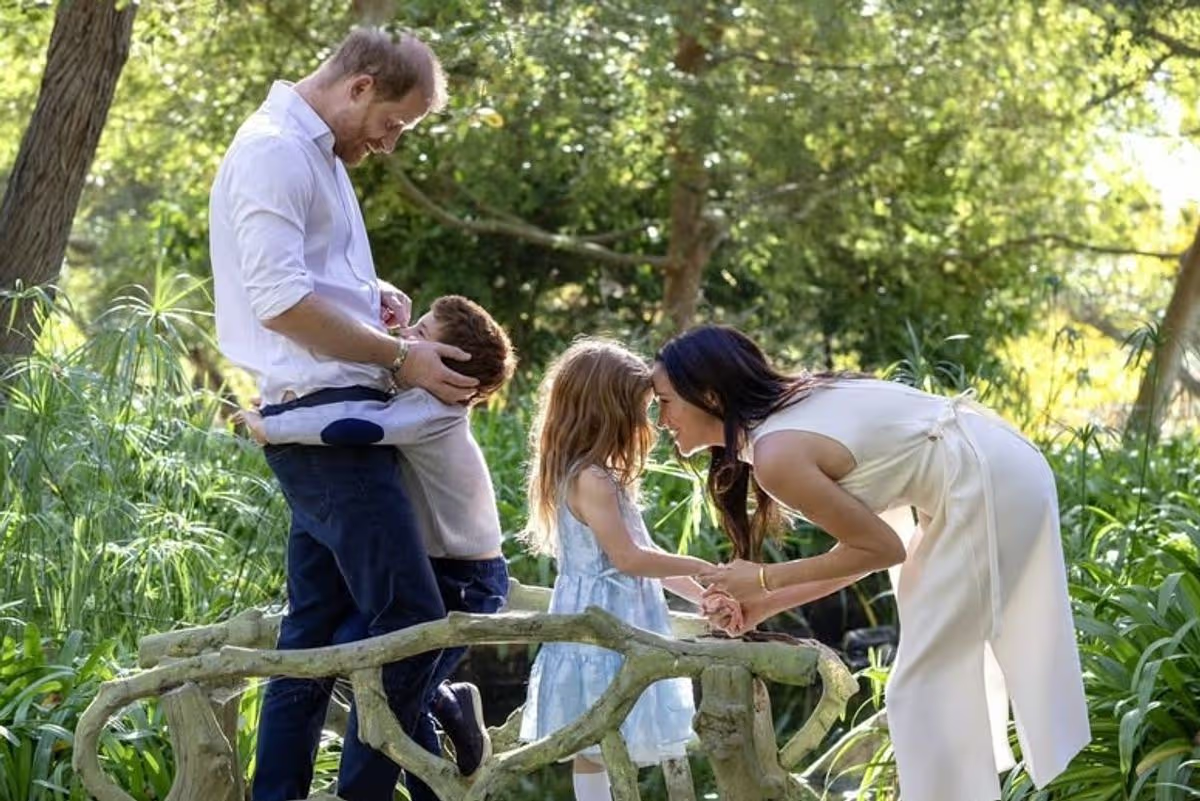
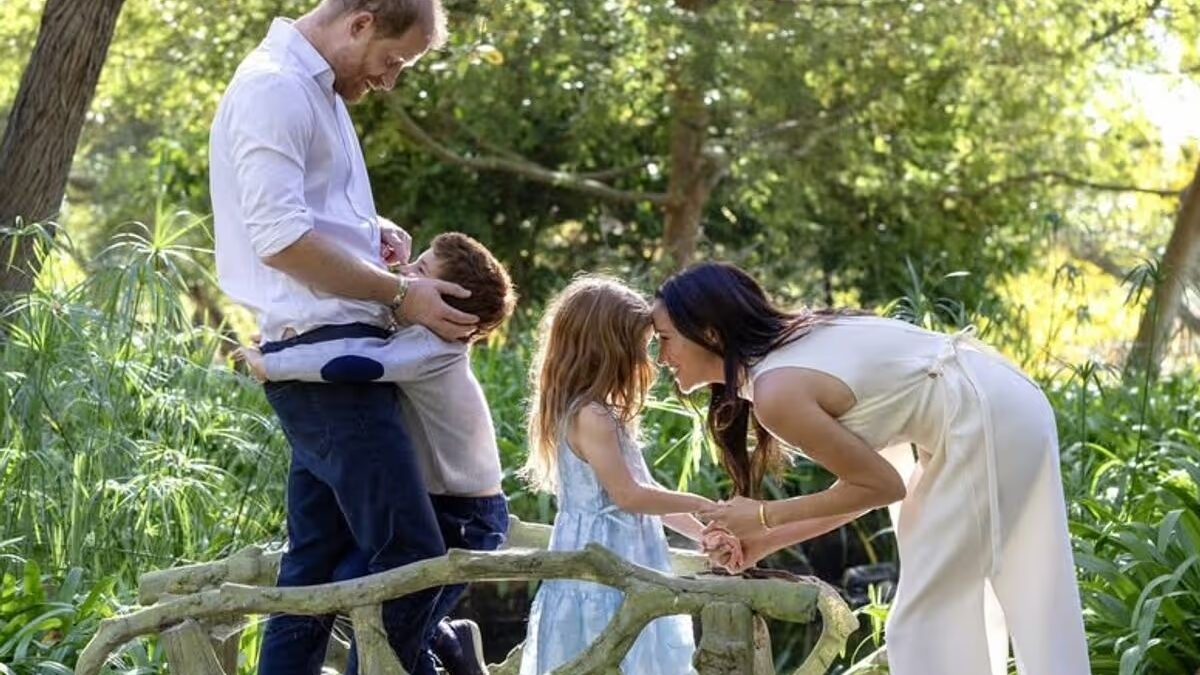
Unlike previous generations of royal children, Archie and Lilibet are being raised primarily outside the United Kingdom. Their home in Montecito offers a very different environment from the palaces and formal estates typically associated with royal upbringing.
Here, the focus is on creating a grounded and nurturing environment. Meghan and Harry have spoken about their desire to give their children as normal a childhood as possible—one that includes outdoor play, family time, and a sense of freedom that is often difficult to achieve within the strict boundaries of royal life.
Despite stepping away from official duties, the couple has not completely escaped public attention. Their work with streaming platforms, charitable initiatives, and public speaking engagements ensures they remain in the spotlight. However, when it comes to their children, they have made deliberate efforts to maintain boundaries, sharing only limited glimpses into their lives.
This balance reflects a broader shift in how modern public figures approach parenting in the digital age. Privacy is no longer simply about avoiding cameras—it is about controlling narrative, protecting identity, and allowing children the space to grow without constant scrutiny.
The Birth of Archie: A New Chapter Begins
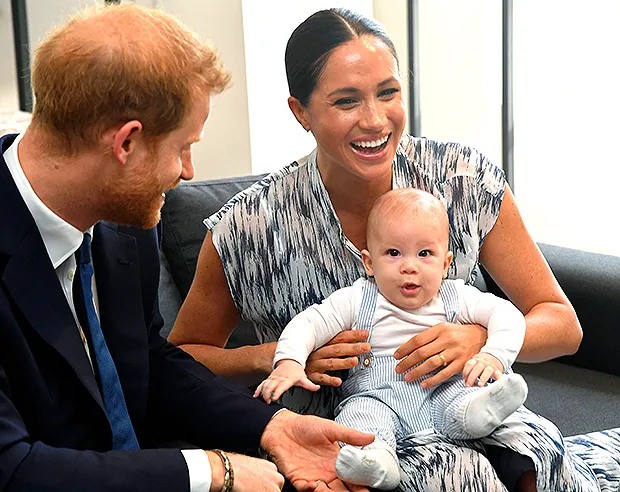
Prince Archie was born on May 6, 2019, in London, marking the beginning of Meghan and Harry’s journey into parenthood. His arrival was met with global excitement, as people around the world followed every detail—from the announcement to the first official photographs.
Archie’s birth was notable not only because of his royal status but also because of the way his parents chose to introduce him to the world. Breaking from tradition, Meghan and Harry opted for a more private approach, delaying the standard hospital photo call and instead sharing carefully curated moments on their own terms.
Even in those early days, it was clear that their approach to parenting would differ from royal precedent.
Lilibet Diana: A Name Rich With Meaning
Two years later, the family welcomed Princess Lilibet on June 4, 2021, in California. Her birth symbolized a new phase in the couple’s life—one fully rooted in the United States.
Her name carries deep emotional and historical significance. “Lilibet” was a childhood nickname of Queen Elizabeth II, making it a tribute to Harry’s grandmother. Her middle name, “Diana,” honors his late mother, Princess Diana, whose legacy continues to shape much of Harry’s public and personal life.
Through her name, Lilibet represents a bridge between past and present—a connection to royal heritage while growing up in a very different context.
The Meaning Behind Their Names
Names within the royal family often carry layers of tradition, symbolism, and expectation. However, Archie and Lilibet’s names reflect a blend of tradition and modernity.
Archie Harrison Mountbatten-Windsor stands out for its relative simplicity. “Archie” is less formal than many traditional royal names, signaling a move toward a more contemporary identity. “Harrison,” meaning “son of Harry,” adds a personal and familial touch.
Lilibet Diana’s name, on the other hand, is deeply rooted in royal history while also carrying emotional resonance. It reflects remembrance, continuity, and the enduring influence of family bonds.
These choices illustrate how Meghan and Harry are navigating their roles—not rejecting tradition entirely, but reshaping it to reflect their own values and experiences.
Royal Titles and Changing Traditions
Following the accession of King Charles III in 2022, Archie and Lilibet became entitled to the titles of Prince and Princess under longstanding royal conventions.
This development sparked widespread discussion about the role of titles in a modern monarchy. For some, titles represent continuity and heritage. For others, they raise questions about relevance and identity in a rapidly changing world.
For Meghan and Harry, the decision to allow their children to hold these titles appears to be a nuanced one. While they have stepped away from royal duties, they have not completely severed ties with the institution. Instead, they are navigating a middle path—one that allows their children to maintain a connection to their heritage while growing up in a more independent environment.
A Historic Reunion in 2026
In July 2026, the family made headlines when Archie and Lilibet were reunited with King Charles III and Queen Camilla during a private visit to the United Kingdom.
This meeting was particularly significant because it marked the first time the King had seen his grandchildren in several years. Beyond its emotional importance, the reunion was widely interpreted as a step toward reconciliation within the royal family.
The relationship between Harry and other members of the monarchy has been the subject of intense media attention, especially following interviews, documentaries, and the publication of his memoir. Against that backdrop, the reunion suggested a willingness—on all sides—to rebuild connections.
For Archie and Lilibet, the moment represents an early chapter in what will likely be a complex relationship with their extended royal family.
Growing Up Between Two Worlds
Perhaps the most defining aspect of Archie and Lilibet’s lives is the duality of their identity. They are both deeply connected to the British royal family and fully immersed in American culture.
This unique position offers opportunities as well as challenges. On one hand, they have access to a rich cultural heritage and global recognition. On the other, they must navigate expectations that come with their lineage while forging their own paths.
Meghan and Harry have expressed a desire to raise their children with a strong sense of self, encouraging curiosity, empathy, and independence. Their parenting approach appears to emphasize values over titles, experiences over formalities.
This balance may ultimately shape how Archie and Lilibet define their roles—not just as members of a famous family, but as individuals in their own right.
Public Fascination and the Future
The global interest in Archie and Lilibet shows no signs of slowing down. As they grow older, their personalities, interests, and public appearances will continue to attract attention.
Yet, one of the most important aspects of their upbringing may be the effort to shield them from excessive exposure. Meghan and Harry’s careful approach suggests an awareness of the pressures that come with fame—especially for children.
The future of Archie and Lilibet remains unwritten. They may choose to embrace public roles, pursue private careers, or redefine what it means to belong to a royal family in the modern era.
A New Generation of Royal Identity
Archie and Lilibet represent more than just the next generation of the Windsor family. They symbolize a shift in how royal life can be lived—less constrained by tradition, more influenced by personal choice, and deeply shaped by a changing world.
Through their upbringing, Meghan Markle and Prince Harry are crafting a new narrative—one that blends legacy with independence, tradition with innovation, and public life with personal boundaries.
As the world continues to watch their journey, one thing remains clear: the story of Archie and Lilibet is not just about royalty. It is about family, identity, and the evolving meaning of belonging in the 21st century.