
A Viral Storm of Speculation
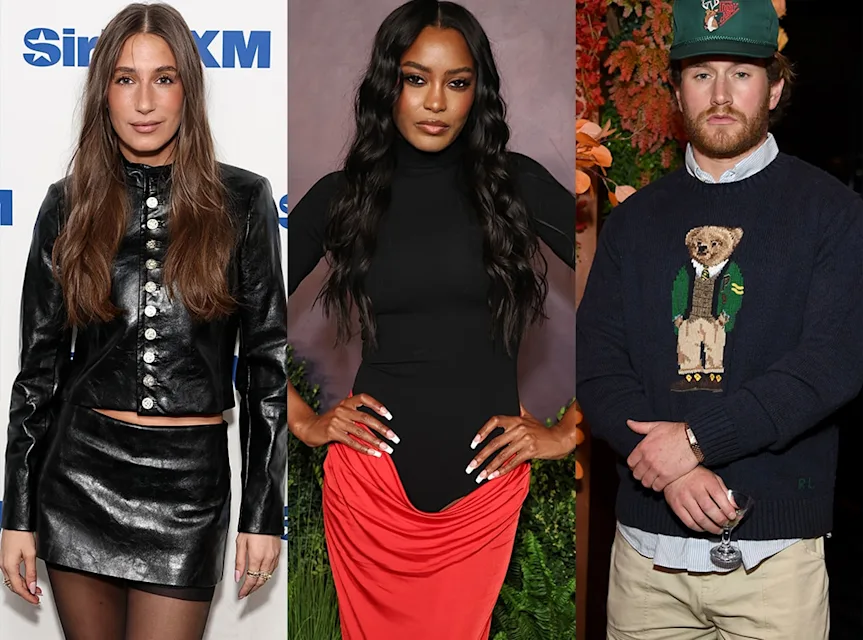
In the fast-moving ecosystem of online celebrity culture, rumors rarely stay contained. They expand, mutate, and gain traction at a speed that often outpaces reality. That’s exactly what happened when speculation began circulating that Brianna “Chickenfry” LaPaglia was romantically involved with West Wilson. What began as a few whispers on social media quickly escalated into a full-blown narrative, fueled by fan theories, edited clips, and the ever-present appetite for drama.
The situation intensified because it didn’t exist in isolation. It overlapped with an already sensitive controversy involving Amanda Batula, a well-known reality television personality. As audiences tried to connect the dots, assumptions hardened into perceived truths, and suddenly Brianna found herself at the center of a story she insists is entirely fabricated.
Brianna’s Direct Response
Rather than allowing the narrative to spiral unchecked, Brianna addressed the rumors head-on. Her response was not vague or carefully neutral—it was clear, direct, and visibly frustrated. She rejected the idea that she was dating West Wilson and criticized the way online communities often build entire storylines out of minimal or misleading information.
What stood out most in her reaction was the tone. This wasn’t a casual denial; it carried the weight of someone tired of being misrepresented. Brianna emphasized that people were drawing conclusions without context, taking fragments of interactions and turning them into something much bigger than reality. In doing so, she highlighted a recurring issue in influencer culture: the erosion of boundaries between public perception and private truth.
The Amanda Batula Factor
The involvement of Amanda Batula added another layer of complexity. As a public figure with her own established audience, Amanda’s name being linked to the situation elevated the stakes. Fans began speculating about potential conflicts, hidden tensions, and behind-the-scenes drama, even though there was little concrete evidence to support such claims.
This dynamic illustrates how interconnected modern celebrity narratives have become. When one figure is pulled into a rumor, others in their orbit are often dragged along, whether they are directly involved or not. In this case, Amanda’s presence in the conversation amplified attention and made the story feel more substantial than it actually was.
The Mechanics of Online Rumors
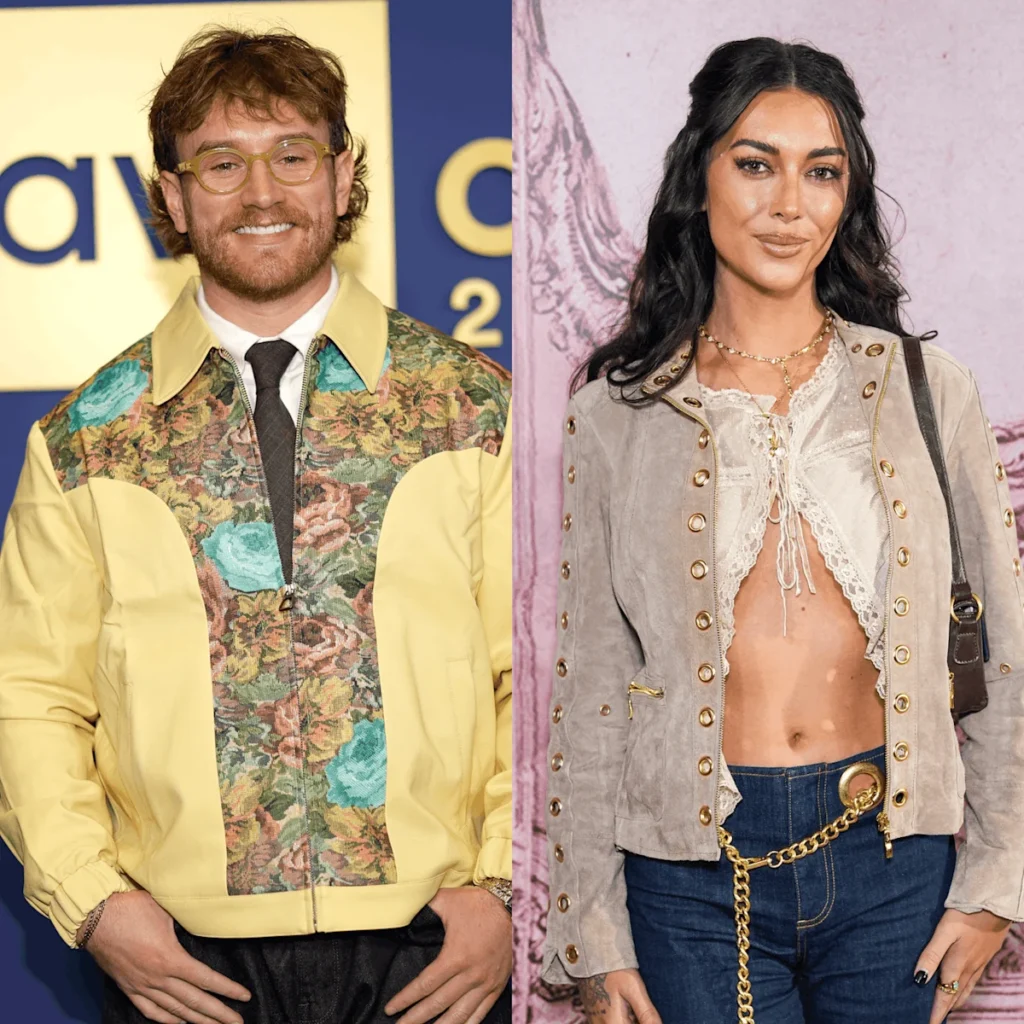
To understand why this situation escalated so quickly, it’s important to look at how digital rumors function. Platforms reward engagement, and speculation—especially involving relationships—generates clicks, comments, and shares. Once a rumor gains momentum, it becomes self-sustaining. People discuss it not because it’s verified, but because others are already talking about it.
In Brianna’s case, short video clips, screenshots, and out-of-context interactions were enough to spark widespread assumptions. The narrative didn’t need proof; it only needed repetition. This creates a feedback loop where speculation feels increasingly real, even when it lacks a factual foundation.
The Pressure of Constant Visibility
For influencers and public personalities, situations like this are more than just fleeting annoyances. They reflect the ongoing pressure of living under constant observation. Every interaction, every appearance, and every social media post becomes potential material for interpretation.
Brianna’s reaction underscores how exhausting that can be. Being in the public eye often means surrendering a degree of control over how one’s life is perceived. However, moments like this show that public figures are increasingly willing to push back, to reclaim their narratives, and to call out misinformation when it crosses a line.
Audience Responsibility in the Digital Age
While it’s easy to place all responsibility on platforms or media outlets, audiences also play a role in the spread of rumors. The desire for entertainment can sometimes overshadow critical thinking. People share theories without verification, engage with speculative content, and inadvertently contribute to the amplification of false narratives.
This situation serves as a reminder that not everything trending online is grounded in truth. Taking a moment to question the source, the context, and the evidence can make a significant difference in how stories evolve.
Moving Beyond the Noise
As quickly as rumors rise, they often fade—replaced by the next viral topic. However, the impact on those involved can linger. For Brianna, addressing the speculation was not just about correcting a false story; it was about setting boundaries and asserting control over her personal life.
Her response also signals a broader shift. More public figures are choosing transparency and direct communication over silence. Instead of letting rumors define them, they’re stepping in to clarify, challenge, and sometimes confront the narratives being built around them.
A Familiar Pattern, A Clear Message
The speculation surrounding Brianna Chickenfry, West Wilson, and Amanda Batula is not unique. It follows a familiar pattern in modern digital culture, where fragments of information evolve into full-scale stories with little grounding in reality. What makes this instance notable is the clarity and firmness of Brianna’s response.
At its core, her message is simple: not everything people believe online is true, and assumptions can have real consequences. In an environment driven by speed and engagement, that reminder is more important than ever.